Offshore
Best selling offshore machines since 1998.
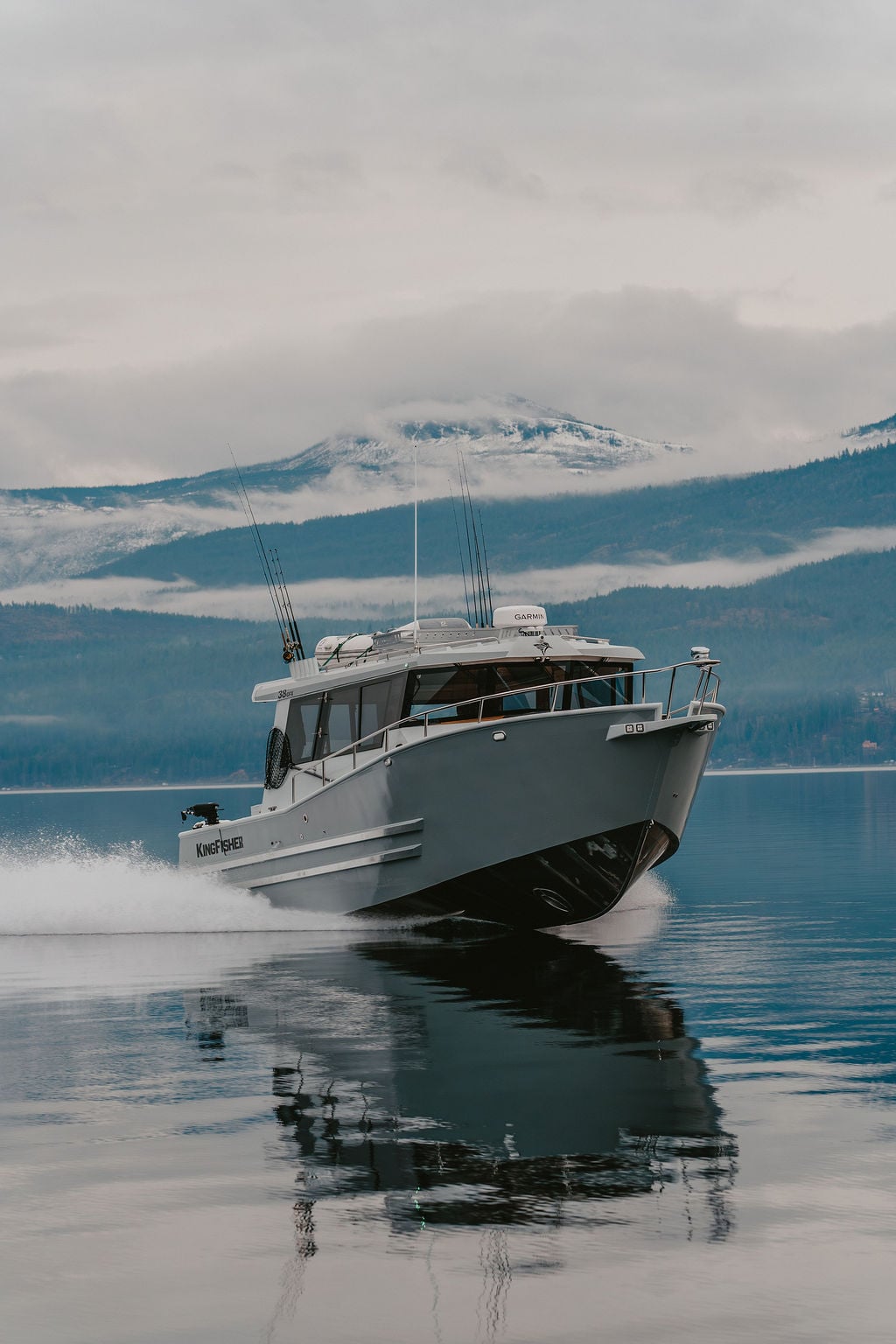


Best selling offshore machines since 1998.
38'
1350 HP
12' 2"
35' 1"
900
10'
32'
700
10'
30'
600
9'6"
30' 5"
500 hp
9' 6"
27'11"
400hp
8'6"
Rugged styling, maximum fishability, great price.

25'2"
300
8' 6"

23'2"
250 hp
8'6"
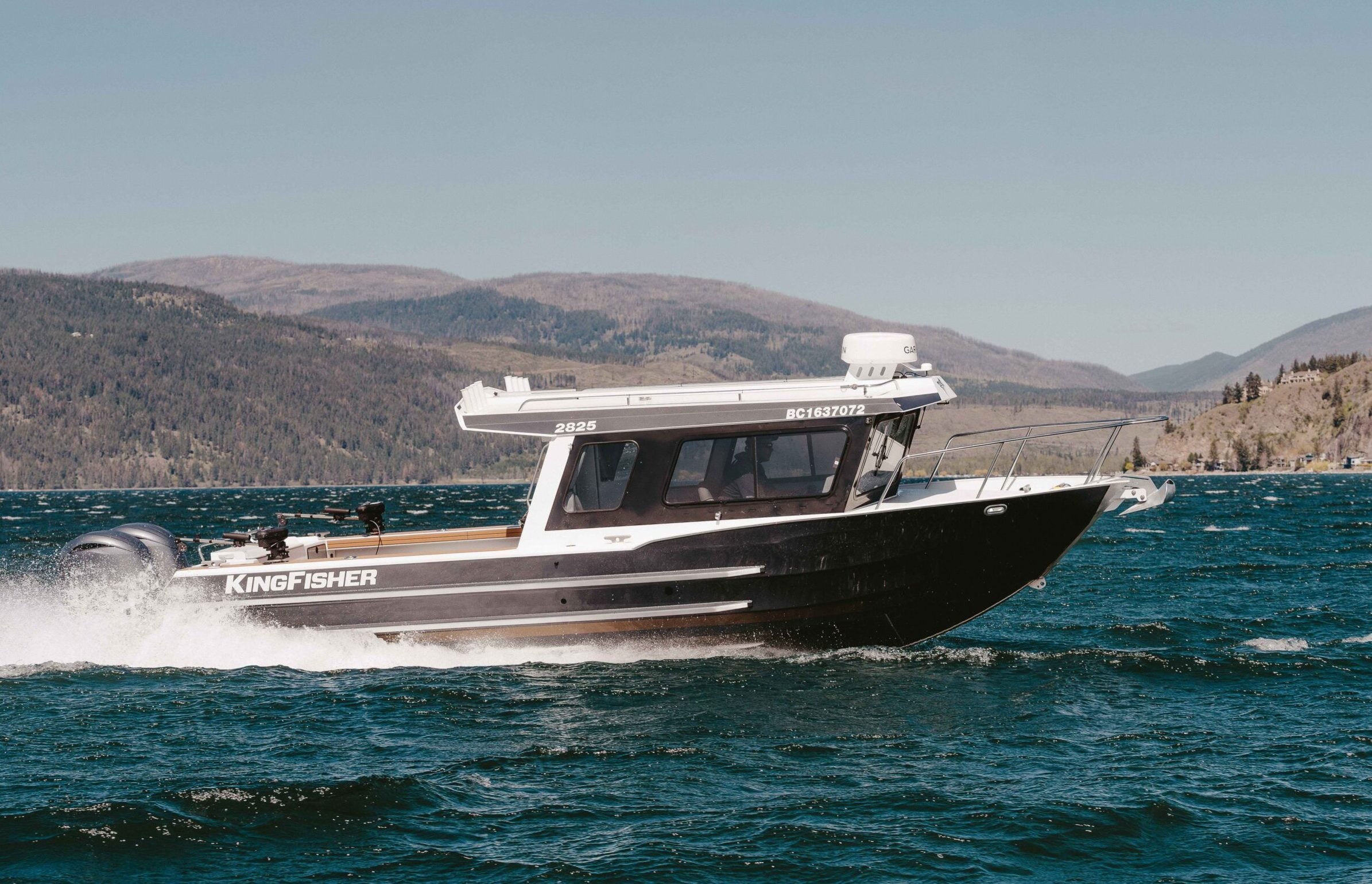
29'
400
8' 6"
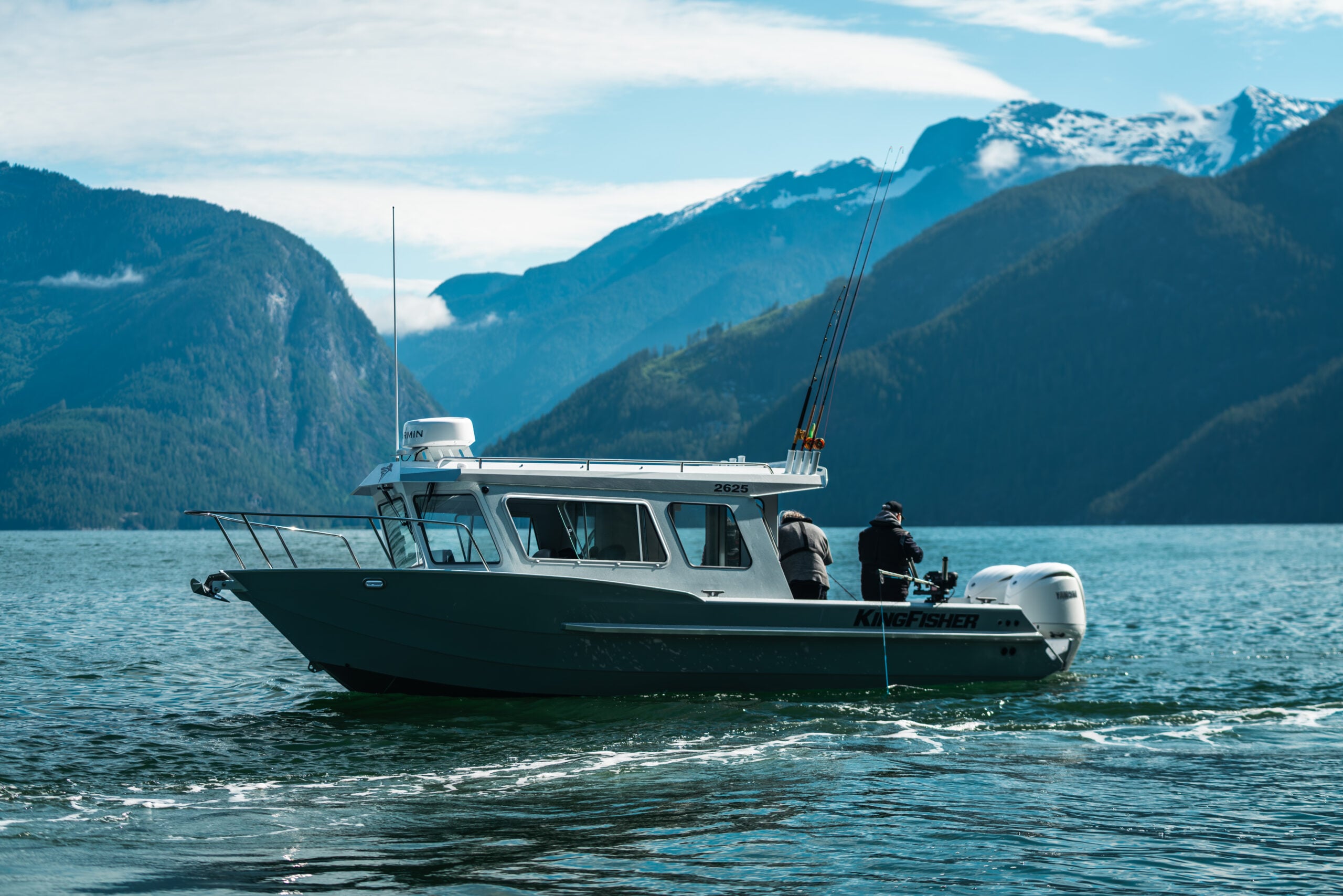
27'
300
8' 6"
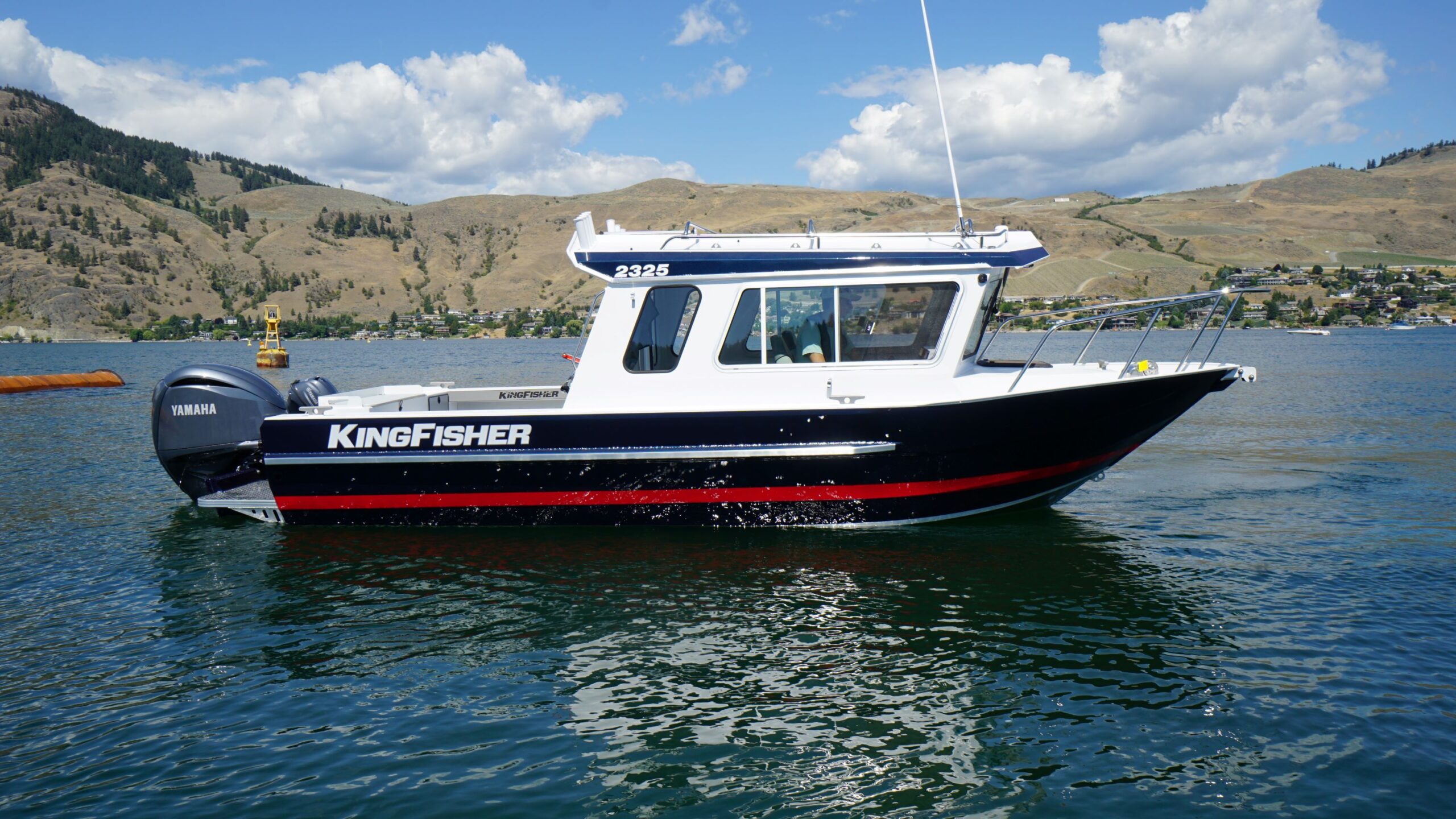
24' 3"
250
8'
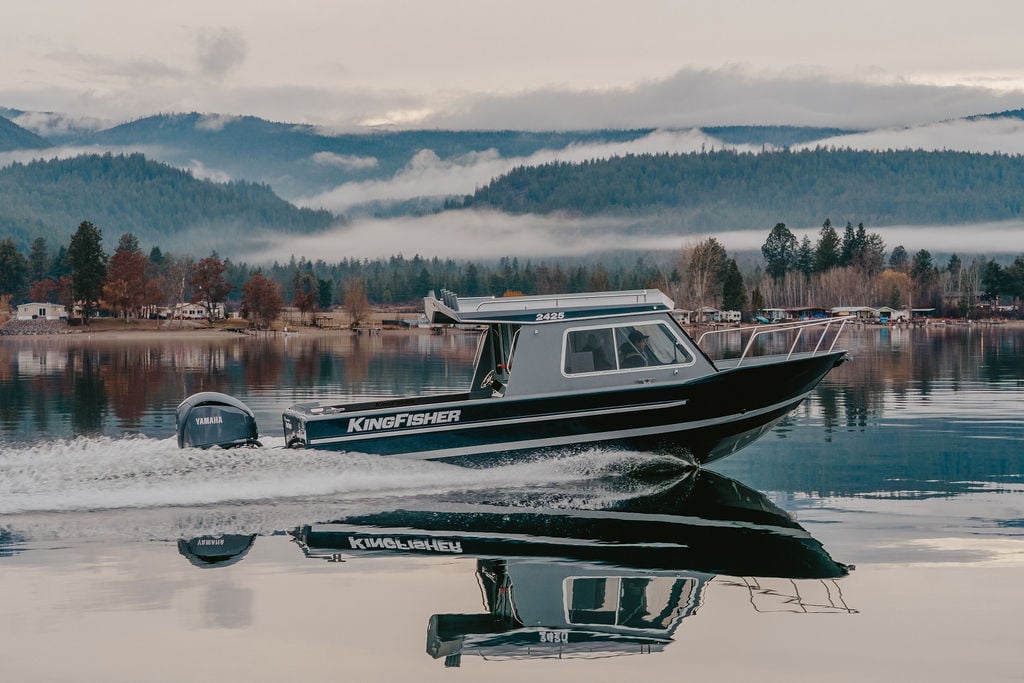
26' 11"
300
8' 6"
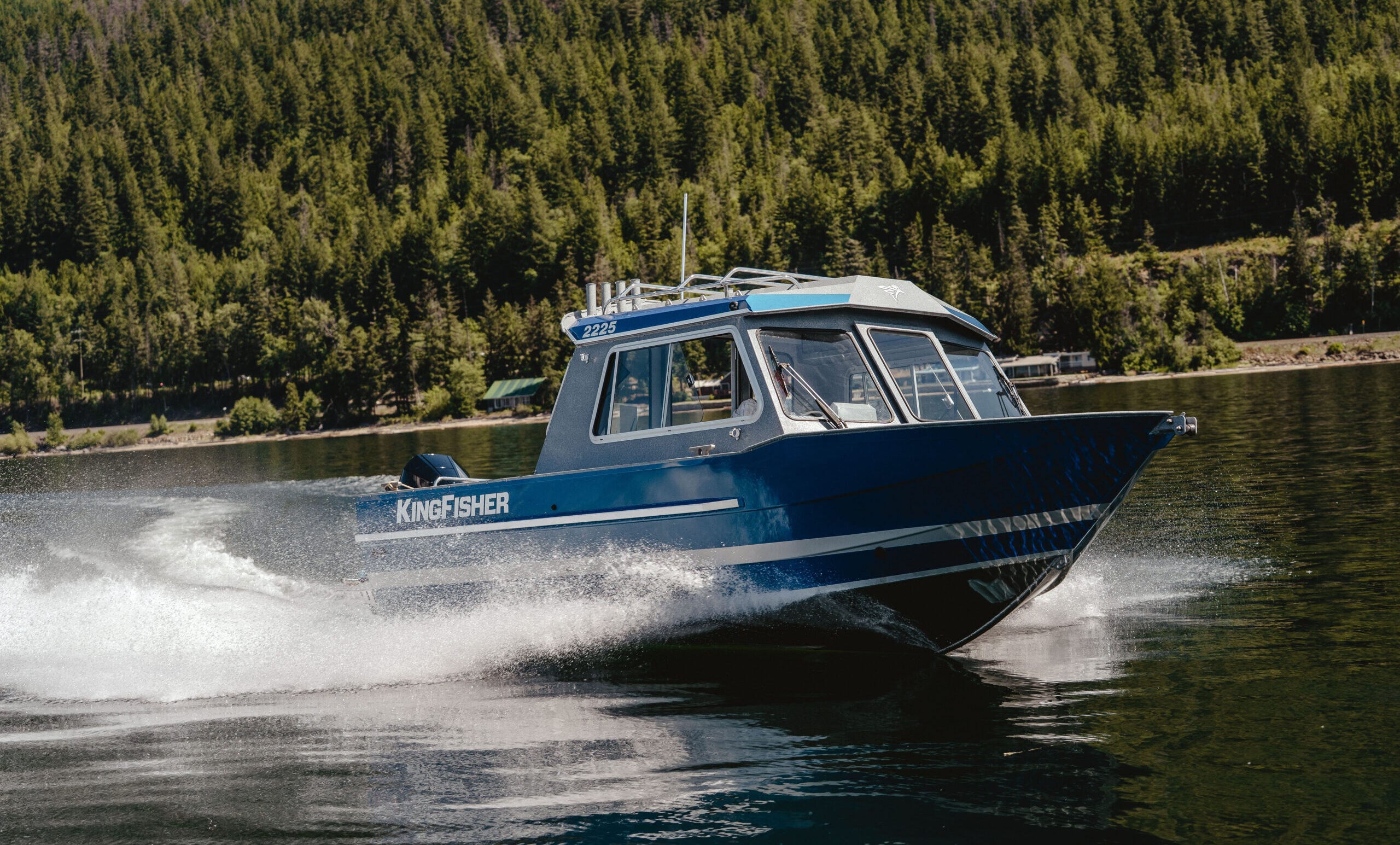
24'
250
8'
For the pure fun of fishing and family boating
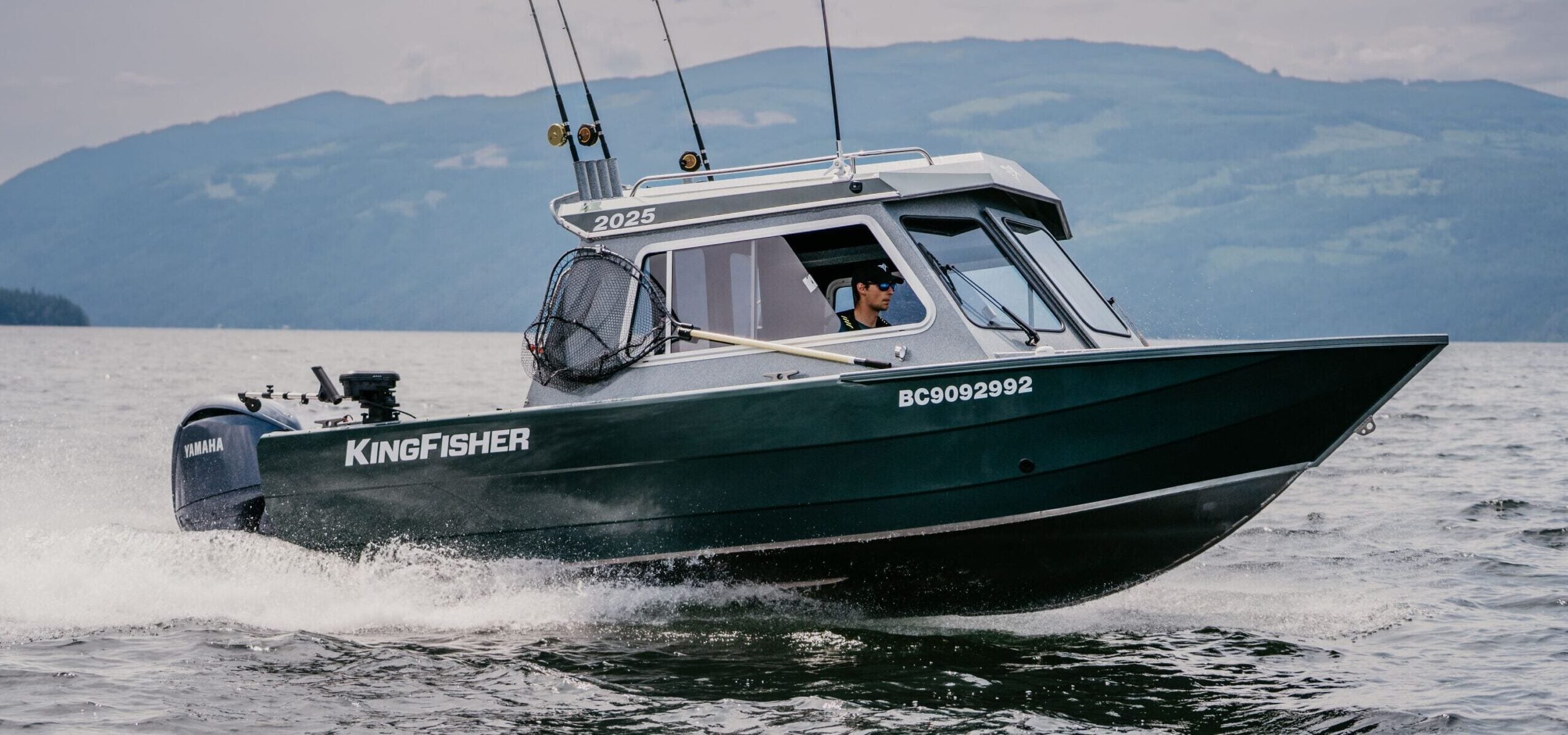
22 '4"
225
8'

22 '4"
225
8'

20' 6"
200
7' 8"

18' 6"
115
7' 4"
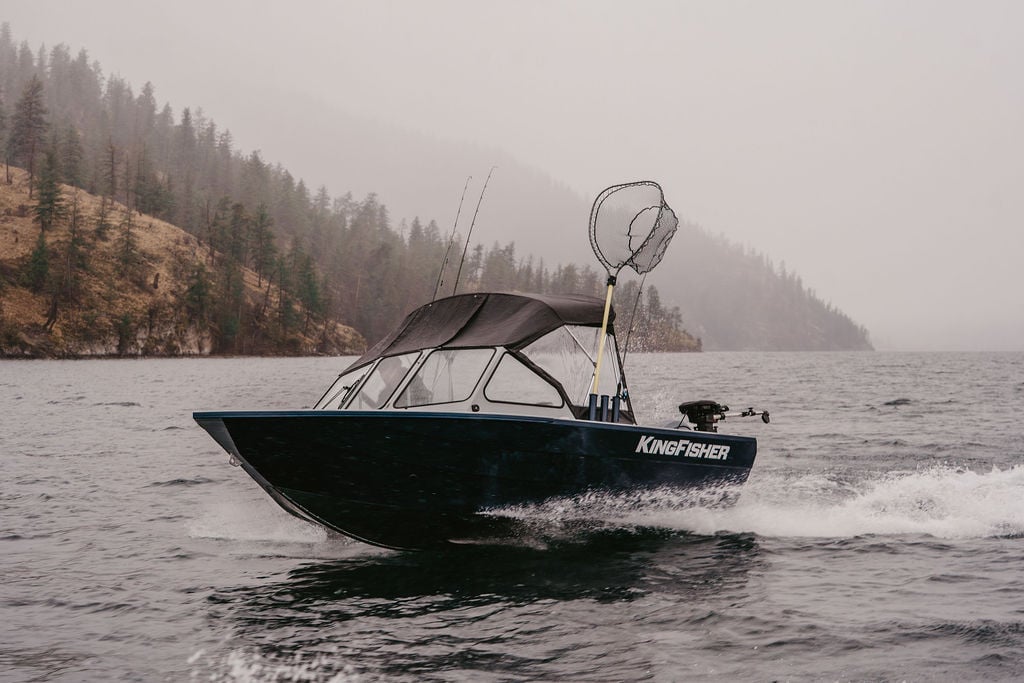
16' 6"
90 HP
7' 4"
Toughest Hull in the Game

21'
350
8' 6"

19' 6"
225
8'

18' 6"
150
7' 4"

18' 6"
80
7' 4"
Fast water fever

22' 5"
N/A
7' 9"

21'
N/A
7' 8"
The BoatUS Foundation for Boating Safety and Clean Water is a U.S. non-profit dedicated to safe, clean and responsible boating. It offers free boating safety courses and practical guides on how to operate a boat safely and legally in the United States, including navigation rules, safety equipment, handling emergencies, and protecting the environment.
Here are a few highlights from its boating safety library:
Life jackets come in a wide range of styles and performance options, and the right one is the one that fits and that you always wear. The Foundation’s fitting guide walks through how a properly fitted jacket should feel, and its care guide covers how to keep your jackets in service-ready condition season after season.
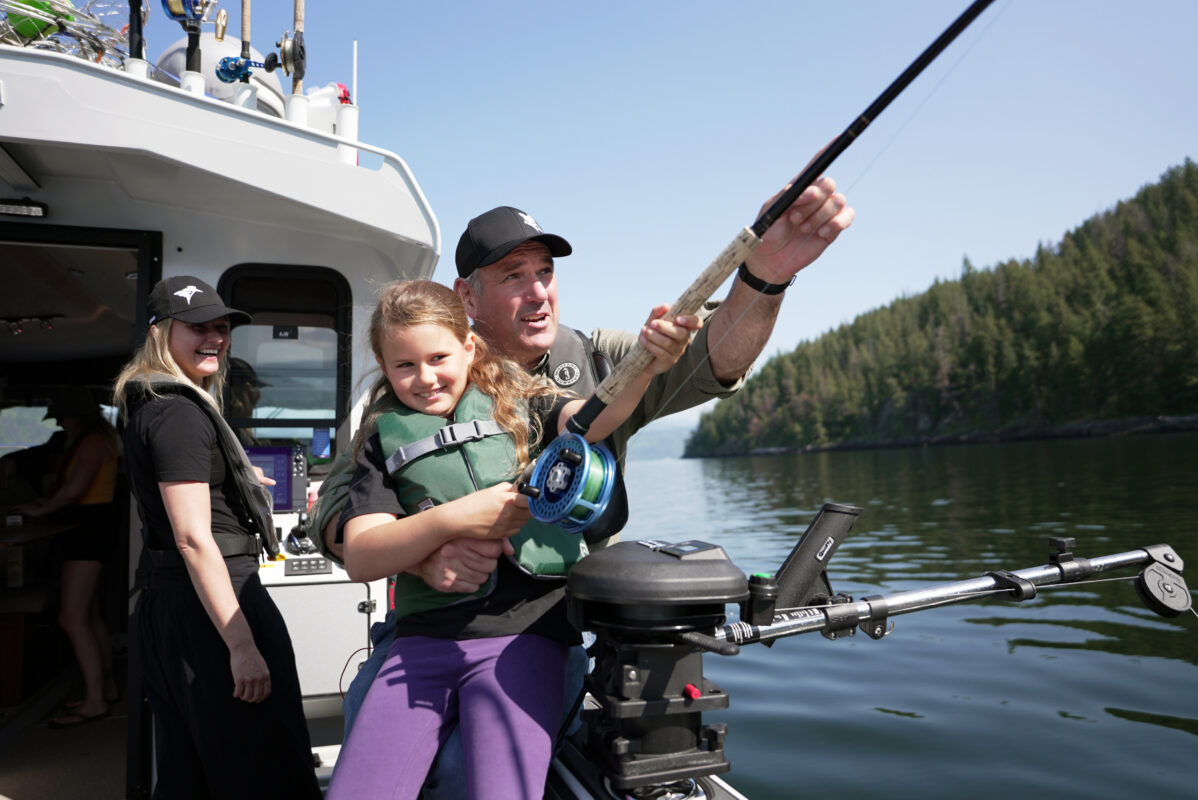
Children can’t just wear a smaller version of an adult jacket, kids require specialized life jackets sized and designed for their weight, with features like head support and grab handles. This short video on choosing a child’s life jacket shows what to look for and how to check the fit.
And yes, they’ve thought of the dogs too. The Foundation has tested life jackets for dogs, useful if you run with your furry friend on board.
From flares to electronic signals, knowing which distress signals are right for you and your boat and how to use them is knowledge you want before you need it.
The Foundation ranks the VHF marine radio among the most important pieces of safety equipment on board.
The guide to U.S. Coast Guard equipment requirements covers what you need to carry before your next outing and includes links to the U.S. Coast Guard and essential boat safety partners.
These resources are written for U.S. boaters. Where they reference carriage requirements, those are U.S. Coast Guard requirements. Canadian requirements are set by Transport Canada and may differ, both in the equipment you’re required to carry and the approved standards. Be sure to check the Canadian requirements for your vessel length and operating area. Here also is a link to a previous post we shared with Canadian boat safety guidelines from CanBoat.
Safe travels out there. We’ll see you on the water.